Cardiac apprehension does not introduce itself. One minute somebody is talking at a barbeque, the next they get on the ground, less competent, and not breathing typically. The minutes that adhere to issue more than lots of people realize. An efficient CPR course provides you an exercised routine to draw on when adrenaline spikes and fine motor skills go unclear. It changes panic with a plan.
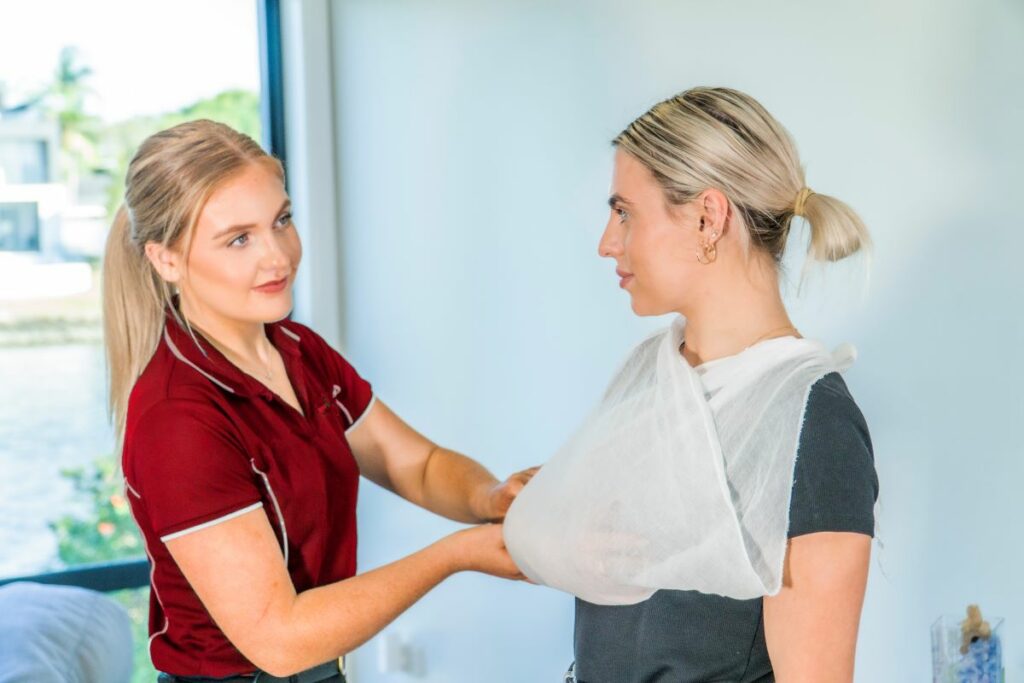
Over the years, I have coached moms and dads, lifeguards, office groups, and tradies through their very first compressions. I have additionally viewed skilled medical professionals get corroded in between recertifications. The pattern corresponds. Expertise discolors unless you utilize it, and confidence originates from touching the manikin, hearing the responses click, and running drills with a fitness instructor who presses you previous polite hesitation. If you are taking into consideration a first aid course or particularly a CPR course, this overview outlines what you will experience and just how to show up ready, both literally and mentally.
Why CPR training deserves your time
Survival from out-of-hospital cardiac arrest depends upon very early CPR and quick access to a defibrillator. In many regions, spectator CPR increases or triples the chances of survival. That is not marketing language, it mirrors large computer registry studies throughout urban and rural settings. Compressions keep oxygenated blood moving to the mind and heart. A computerized exterior defibrillator, or AED, can reset a fatal rhythm if made use of within the very first couple of minutes.

Most cardiac arrests take place at home. If you imagine a complete stranger on a walkway, change the psychological image to a living-room, a room, or a kitchen floor. The person you help is likely someone you recognize. That is why a first aid and CPR course is a solid investment for moms and dads, carers, and anybody supervising teams, from coaches to childcare workers. Companies develop CPR training into their threat administration for a reason, but the life you save might be much from your workplace.
Choosing the appropriate training course format
First, determine whether you require stand-alone CPR training or a broader first aid and CPR course. A stand-alone cpr course focuses on recognition of heart attack, top quality compressions, rescue breaths when suggested, AED usage, and standard choking relief. It is compact and usually arranged as a brief session. A full first aid course wraps CPR into a bigger collection of abilities, including bleeding control, burns, fractures, diabetic emergencies, bronchial asthma, anaphylaxis, stroke acknowledgment, seizures, and environmental injuries. If your role needs a first aid certificate for conformity, read your market demands. Childcare, building and construction, health care, and fitness usually define specific modules or program codes and recertification intervals.
Delivery styles vary. Standard class programs suit people that discover best by doing and asking questions in genuine time. Mixed training courses allow you complete theory online, after that participate in a much shorter in-person practical to demonstrate skills. This alternative interest shift workers and regional participants that can not save a full day on website. For CPR correspondence course requires, a much shorter useful upgrade can keep you compliant and confident, specifically if you already hold a present first aid certificate and just need to renew the CPR component.
Reputation matters. A service provider with skilled instructors, clear training manikins with responses, and realistic circumstances makes a distinction. Look for fitness instructors that have area experience, such as paramedics, registered nurses, or remote area initial aiders. Ask how they deal with tiny class dimensions, due to the fact that you desire time on the manikin and unhurried teacher feedback. Providers that specialize in first aid training, such as First Aid Pro and various other well established organizations, frequently provide versatile routines, group bookings, and work environment training on site.
What you will actually perform in a CPR class
Expect to function. You will certainly kneel, you will sweat a little, and your triceps will whine by the second round. Excellent instructors pace the session so the practice rounds accumulate instead of exhaust you in the initial ten minutes.
After a brief theory section that covers heart physiology and chain of survival, you will certainly move to the flooring. You will certainly practice a scene check to make certain safety, assess responsiveness with a shoulder tap and a loud concern, and check for normal breathing. Agonal gasps commonly throw newbies off. Instructors purposefully imitate those uneven, understanding breaths that are not effective, so you discover to treat them as an indication of heart attack, not reassurance.
You will discover the correct hand placement for compressions on a grown-up manikin, secure your elbows, obtain your shoulders over your hands, and press to the correct depth. The training criterion for grownups continues to be roughly five to six centimeters at a rate around 100 to 120 compressions per min. Some manikins have a built-in remote control or light system to assist depth and rate. Others rely on instructor monitoring and your very own counting. You will certainly also practice recoil, due to the fact that leaning on the chest between compressions restrictions blood return and reduces perfusion.
Rescue breaths follow if your training degree needs them. With a pocket mask or guard, you will practice sealing the mask, turning the head, raising the chin, and providing two sluggish breaths that make the upper body surge without forcing air right into the tummy. Many modern cpr courses educate compression-only CPR for untrained rescuers or when you hesitate or not able to provide breaths. The program will still explain how and when breaths issue, specifically in pediatric situations or drowning where hypoxia drove the collapse.
The AED sector is often one of the most empowering. You will open up the case, turn the gadget on, and follow its prompts. AEDs are developed for laypeople, however there are details to solve. Correct pad positioning, removing excessive chest hair with the supplied razor if needed, making certain the upper body is completely dry, and maintaining everyone clear throughout rhythm analysis and shock delivery all take practice. Instructors will certainly allow you run numerous cycles so you really feel the rhythm of compressions, pauses, evaluation, and shock, then right back to compressions.
Infant and youngster alterations are covered in many first aid and cpr courses. You will adjust compression depth and technique for smaller upper bodies, decrease breath quantity, and technique back blows and chest thrusts for choking infants. This part can be emotional for moms and dads and carers, and a sensitive instructor will certainly offer you time and room while still ensuring you get hands-on practice.
Finally, you will run through realistic situations. The instructor may stage a bystander who stresses, an unsafe atmosphere, a congested workplace hallway, or a collapsed teammate on a sporting activities field with viewers screaming recommendations. These scenarios build situational judgment that pure theory never ever develops.
What to put on, bring, and anticipate physically
Dress for the flooring. Loose trousers or denims with some stretch, a tee shirt or polo, and shut footwear are functional. Skirts and limited outfit trousers make kneeling awkward. If you have knee issues, bring a knee pad or ask the fitness instructor for a mat. You will spend several sets of two to 5 minutes doing compressions. That does not seem like much until you do it. The majority of students are winded after the initial correct set.
Bring a water bottle, any called for ID, and the reserving confirmation. If the session is combined, full the online module ahead of time and bring the certificate or email showing completion. If you wear reading glasses and expect to make use of a pocket mask, keep them helpful. Some masks call for an accurate seal, and you will intend to see clearly.
If you have a shoulder, wrist, or back problem, inform your fitness instructor https://zenwriting.net/sloganuvcb/brisbanes-ideal-cpr-courses-your-guide-to-local-opportunities prior to practice beginnings. They can help you readjust placing, swap functions, or share sets. The real life hardly ever lets you sit out, however training ought to not hurt you. A great instructor will certainly additionally demonstrate exactly how to rotate rescuers every two mins to keep compression high quality, a behavior that makes sense on scene when you have help.
How programs are assessed and exactly how certifications are issued
Assessment commonly blends concept with practical demo. The concept could be a brief test that checks your understanding of recognition, compression price and depth, AED security, and the actions of the activity strategy. Practical assessment includes performing a complete cycle of grown-up CPR with appropriate compressions, breaths if indicated, and AED usage. For incorporated first aid and cpr courses, you will certainly show additional skills like hemorrhaging control and healing position.
Most companies provide an electronic first aid certificate or CPR certification by email within a day or two when evaluation is full. Some can provide same-day certifications, which aids if you require evidence for a task begin. Keep the certificate in a place you can recover fast. If your duty is examined, you will certainly be asked to show your currency.
How commonly you need to refresh
Skills degeneration is not individual, it is human. Research studies reveal quantifiable decrease in CPR compression depth and price within a few months if you do not practice. That is why numerous companies advise or need a cpr correspondence course every year, even if your wider first aid certificate is valid for longer. High-risk functions often revitalize every 6 months. If your office has a manikin or an AED trainer, short self-practice sessions in between formal training courses can assist maintain your muscular tissue memory sharp.
Signs it is time to reserve a refresher
If you hesitate while visualizing the sequence, if you can not explain AED pad placement without checking a picture, or if you have actually never exercised with an infant manikin in spite of taking care of an infant, schedule a refresher. Genuine self-confidence originates from recent technique, not remote memory.
The emotional side of genuine rescues
Textbook CPR is neat. Actual rescues are unpleasant. The person on the flooring might be a companion or a coworker you saw at lunch. first aid training programs close to me Their upper body could crack as you press. This is not a sign you are doing injury, it is a well-known effect when pushing difficult sufficient to relocate the sternum. There could be vomit, snoring sounds from a blocked airway, or troubled family members. Noise, sweat, and the clock all conspire to rattle you.
Good cpr training addresses stress and anxiety management. Breathing control between rotations, making use of short expressions to collaborate with onlookers, and adhering to the routine stop spiraling. After a genuine event, debrief. If your workplace has a worker aid program, utilize it. Trainers who have operated in the field can share simple grounding strategies and advise you of a vital truth: doing something is always better than freezing.
Special considerations for different environments
Workplaces differ. A workplace has actually carpeted floorings, tight meeting rooms, and perhaps a secured first aid cupboard. A factory has sound, moving devices, and potential chemical dangers. A pool deck has water almost everywhere and bare, damp skin, which matters when using an AED. A first aid training supplier with experience throughout setups will certainly customize circumstances to your environment.
Parents and carers seek pediatric focus. Ask for a first aid and cpr course that includes child and infant modules as non-negotiable. Sports coaches usually need additional web content on head injuries, spine safety measures, and warmth ailment. Remote work staffs take advantage of prolonged first aid courses that cover improvisation and communication with rescue control when action times extend from minutes to hours. For browse lifesaving or water facilities, drowning feedback and hypothermia administration take priority.
What makes guideline effective
I judge a course by a couple of pens:
- The ratio of method time to talk leans heavily towards practice. Instructors provide specific, workable feedback, such as "press from your hips and raise your wrists a millimeter to allow the chest rebound," not obscure praise. Scenarios include onlooker administration, AED troubleshooting, and ecological hazards. Manikins give feedback on depth and price, and trainers inspect hand placement, recoil, and breath volume. The program recognizes restrictions. If the scene is dangerous, do not enter. If a defibrillator is not available, compress without time out and send out somebody to discover one.
These traits, located in solid first aid courses, differentiate "tick the box" training from capacity that stands up under pressure.
AED misconceptions that training removes up
People stress over surprising the incorrect person. AEDs assess cardiac rhythm and will not advise a shock if the rhythm is not shockable. You can place pads on an individual with a pacemaker, though you avoid putting a pad directly over the gadget lump. Upper body hair can interfere with pad bond, which is why AED kits include a razor. If the individual is damp, you dry the breast promptly. If they get on a steel surface, like a pool ladder or a wet light weight aluminum bench, guarantee no person is touching them throughout analysis or shock. The tool voice motivates overview you via every one of this, and in training you will certainly listen to and adhere to those prompts till they come to be second nature.
How to prepare your mind and space after the course
Skills fade without rep, so plan brief refresher courses. Location the AED place on your phone notes with a photo. Walk the route from your workdesk or common spot to the tool. If you stay in an apartment building, find out if there is an AED in the lobby or health club. On a family members level, shop a pocket mask in your vehicle glovebox and a pair of nitrile handwear covers in your backpack. If you run a sporting activities club, include a CPR drill in pre-season training and assign clear functions for that calls emergency situation solutions, that fetches the AED, and who satisfies the rescue at the gate.
For those that have finished a first aid and cpr course, set schedule tips. At month three, examine your notes and watch a respectable refresher video clip from your training supplier. At month 6, practice compressions on a company cushion momentarily while keeping count with a metronome readied to 110. It is not an alternative to formal renewal, however it maintains the activity pattern alive.
The anatomy of a solid emergency call
You will certainly exercise calling the emergency situation number as part of your cpr training. Little details assist dispatchers send out the right help quick. Give the exact address, nearby cross street, and any gain access to codes. State plainly that the individual is not breathing normally and that you are beginning CPR. Place the phone on audio speaker at the patient's side. The call-taker will certainly train you. Response in short expressions between compressions. If you are solo, do not leave the client unless you must bring an AED and there is no one else to send. If you have a team, designate roles. The person on the phone must not leave that duty till paramedics get here, unless they are revolving in to compress.
Choking reaction and where CPR fits
Many first aid courses consist of choking methods, which typically end up adjacent to CPR practice. For adults and children that are mindful and choking, cycles of back impacts and abdominal drives can clear the air passage. If the individual ends up being unresponsive, you reduced them to the flooring, telephone call for help, begin CPR, and check the mouth for visible objects between cycles. Rescue breaths in this context in some cases deliver adequate favorable pressure to relocate an obstruction. Training aids you make these changes smoothly, without wasting time.
Costs, time, and useful planning
Expect a stand-alone CPR course to run in between 2 and 4 hours, relying on whether concept is combined online. A full first aid and cpr course can take a half day to a complete day. Prices differs by region and carrier, and group reservations often decrease per-person costs. Ask if your supplier uses on-site training at your office, which saves traveling time and lets you exercise in the setting where you are probably to respond.
If you require a first aid certificate for conformity, check validity durations. Numerous regions acknowledge three years for the broad first aid credential, with yearly CPR refreshers recommended or called for. Watch on course codes and updates. Guidelines progress concerning every 5 years as global councils evaluate proof. Great suppliers upgrade course content swiftly, and a cpr correspondence course is a straightforward way to straighten with the most recent recommendations.
A short story from the field
A center manager in her fifties booked a first aid training session for her group. She virtually canceled, suggesting quarter-end targets would suffer. 2 weeks later on, a stockroom specialist fell down near the loading dock. The closest AED hung 30 meters away in the break space. Among her group moved the pallet jack to clear flooring room, an additional asked for an ambulance with the specific entrance number, and she began compressions. A third teammate dashed for the AED. The very first shock came within three minutes. The male left healthcare facility a couple of days later, anxious to give thanks to the people that had touched his sternum hard sufficient to bruise and had actually kept going while the tool reanalyzed. Later on, over coffee, the manager claimed the drills had felt uncomfortable at the time. Standing in the stockroom, they were everything.
What to expect after a real event
If you do CPR, you will really feel off-kilter later. That is regular. Expect shaky hands, replay loopholes in your head, and questions concerning whether you did sufficient. Debrief with your group and, if offered, with the reacting paramedics. Jot down what you remember while it is fresh. Notify your training provider, specifically if your office has a support arrangement. Some companies offer post-incident follow-up, and they can aid you process the experience, remedy any spaces, and suggest an earlier refresher course if needed.

Getting started
first aid certification classesBook the course. If you have been putting things off, select a day four to six weeks out, inform your manager or family, and dedicate. Choose a credible first aid training provider with strong evaluations and instructors who have real-world experience. Decide whether you require a complete first aid and cpr course or a focused cpr course with an alternative for revival annually. If you currently hold a credential and really feel unclear, schedule a cpr correspondence course as opposed to waiting on the expiration date.
One last note. The ideal compression does not exist beyond training spaces. Real rescues benefit persistence and adherence to the essentials. Press hard and fast on the facility of the breast, let it climb fully, lessen stops, make use of an AED as quickly as it gets here, and coordinate your group. That is the back of every reliable feedback strategy, whether you learned it in a portable CPR course or as part of detailed first aid courses. As soon as you have that spinal column, everything else you include - better teamwork, environmental understanding, pediatric subtleties - enhances your capability to act when seconds count.